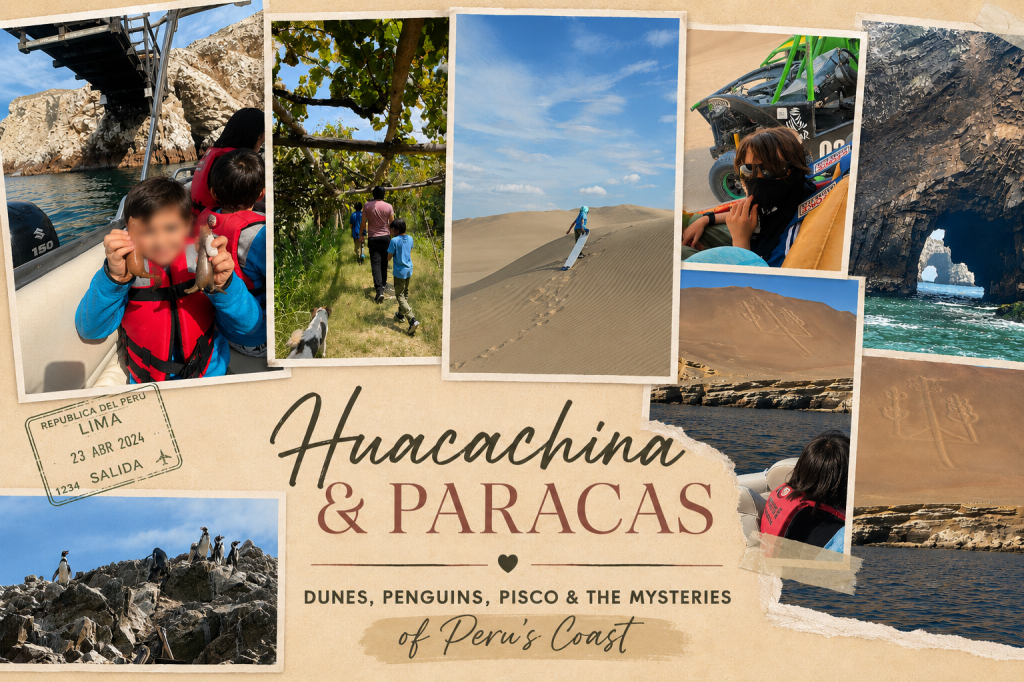
There are certain family trips where afterward your kids say things like:
“Remember when we saw penguins?”
“Remember when we almost flew off the sand dunes?”
“Remember when one of us sandboarded halfway into another dimension?”
And honestly, that’s how you know the trip was successful.
If you are staying in Lima and want a really memorable family getaway that mixes adventure, culture, food, wildlife, and enough adrenaline to remind you that you are no longer 22 years old, then a road trip to Huacachina and Paracas is absolutely worth it.
This ended up being one of our favorite family trips in Peru.
First Things First: Leave Lima Early. And by Early, I Mean “Why Are We Awake?” Early.
Listen to me carefully.
If you are leaving Lima for a road trip south, LEAVE EARLY.
Not “we’ll grab coffee and head out around 9” early.
I mean:
- 5:30 AM alarms,
- children wrapped in blankets,
- surviving on caffeine and optimism,
- on-the-road-by-6-AM early.
Because Lima traffic is not a joke.
The Panamericana Sur can become incredibly congested once people start commuting or heading out of the city. Sunday mornings are usually calmer, but otherwise? Just go early and save yourself the rage.
We rented a car and drove ourselves, which honestly was pretty straightforward. Waze worked perfectly in Peru and was actually more useful than Google Maps because locals update road closures and traffic issues quickly.
One important thing:
if you are driving in Peru, especially outside Lima, always carry:
- your passport,
- driver’s license,
- rental car paperwork.
We got stopped once at a checkpoint and it was completely fine. The police were respectful, checked documents, and sent us on our way. Very routine.
Breakfast Stop: Clay Oven Bread and Zero Self-Control
Our first stop was Mirasur.
Think:
rustic roadside hacienda vibes,
playground for the kids,
fresh air,
and the smell of bread baking in clay ovens that makes you immediately abandon all nutritional goals.
They are famous for their horno de barro breads: warm bread stuffed with olives, cheese, and other fillings that basically force you into happiness.
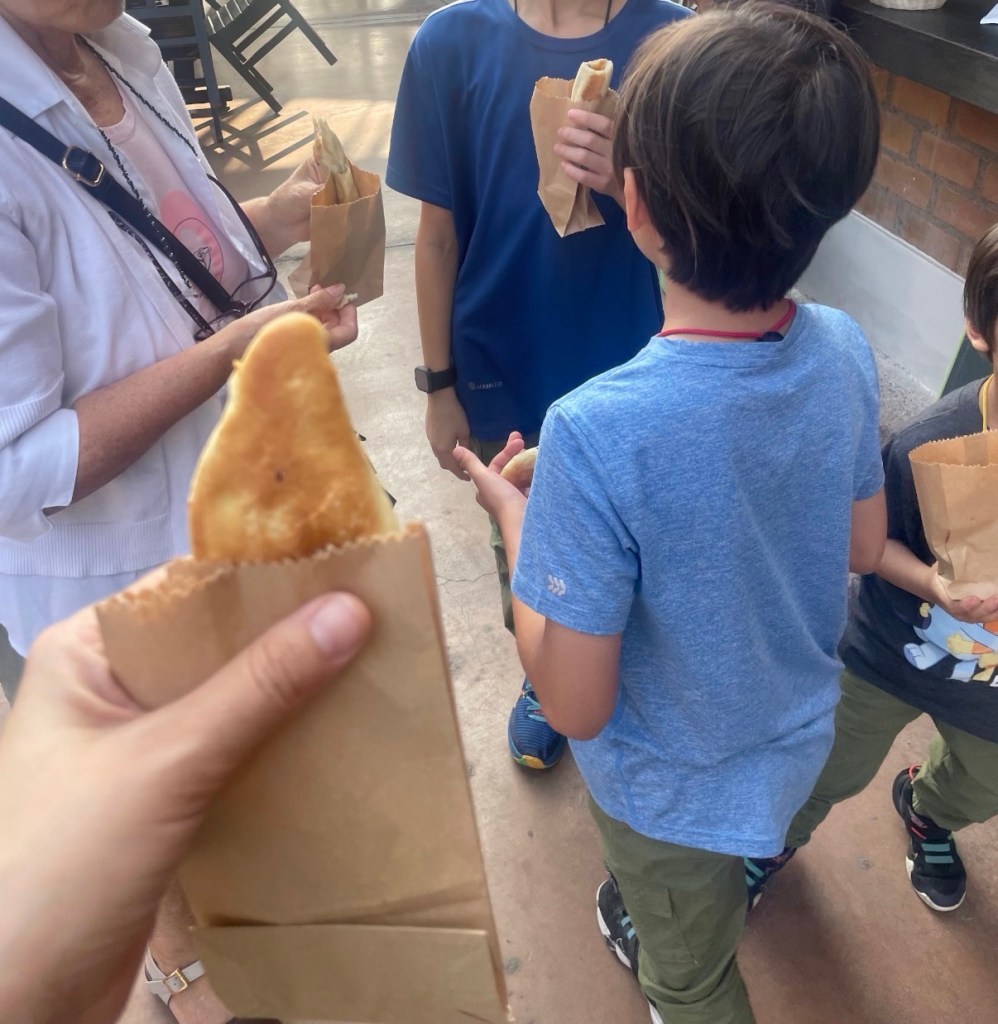
You can also find:
- chicharrón sandwiches,
- coffee,
- juices,
- local snacks.
It’s the perfect breakfast stop before continuing south.
Honestly, Peru does roadside food ridiculously well.
Pisco Before Noon Because We’re Cultural
Our next stop was Bodega Sotelo.
Which technically sounds more sophisticated than:
“we took our children to a pisco distillery.”
But here we are.
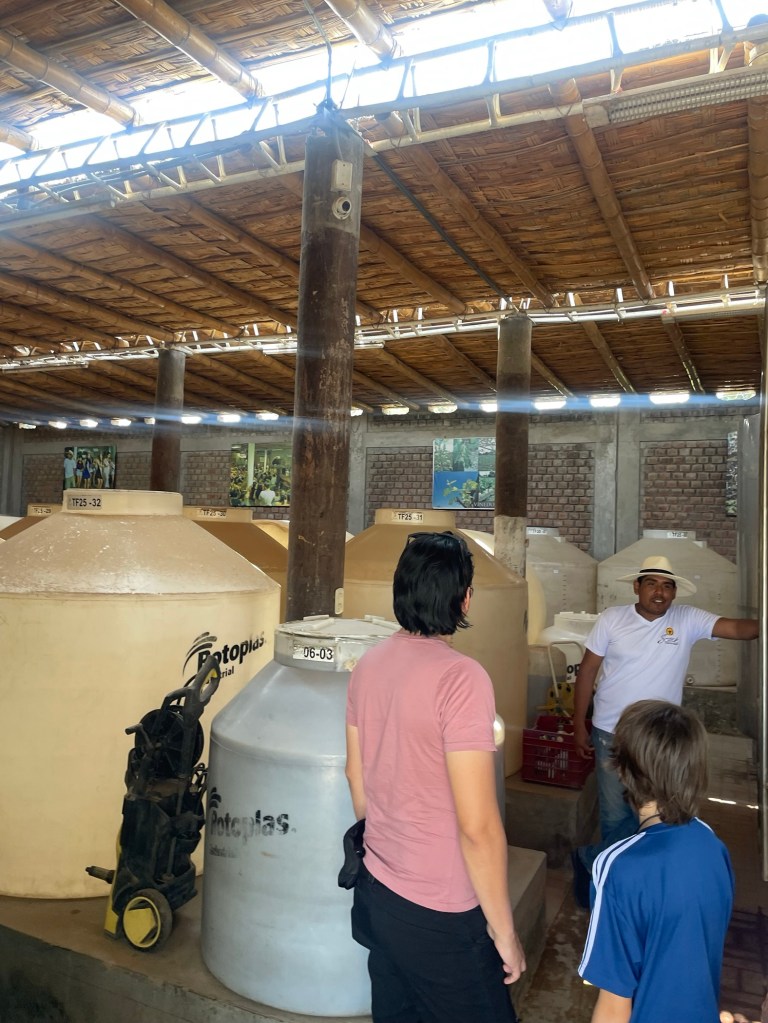
The Ica region is the heart of Peru’s pisco production. They explain:
- how pisco is made,
- the grape varieties,
- the distillation process,
- and the history behind it.
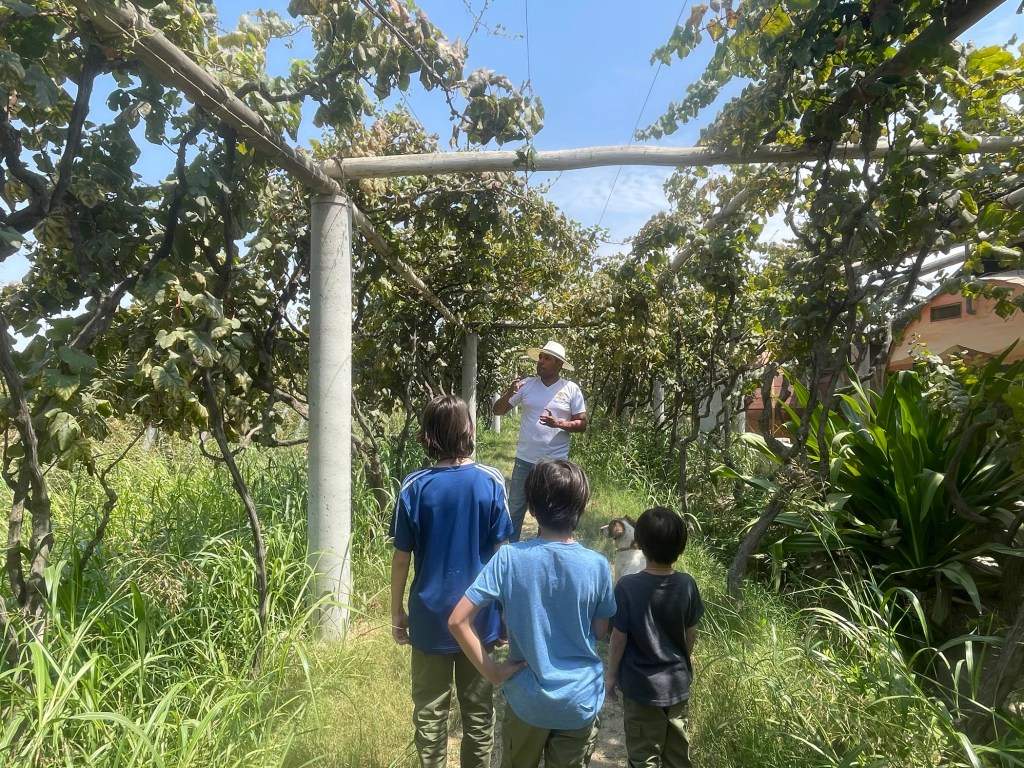
They also produce wine.
Now, Peru is not internationally famous for wine the way Chile or Argentina are. But honestly? The wine was good enough. We ended up buying a few bottles of both wine and pisco.
The pisco, however, was excellent.
Lunch at La Olla de Juanita: Afro-Peruvian Food That Deserves More Attention
After that we stopped at La Olla de Juanita.
This is traditional coastal Peruvian food at its best.
We ordered:
- sopa seca,
- carapulcra,
- arroz con pato,
- chicharrón,
- fresh maracuyá juice for the kids.
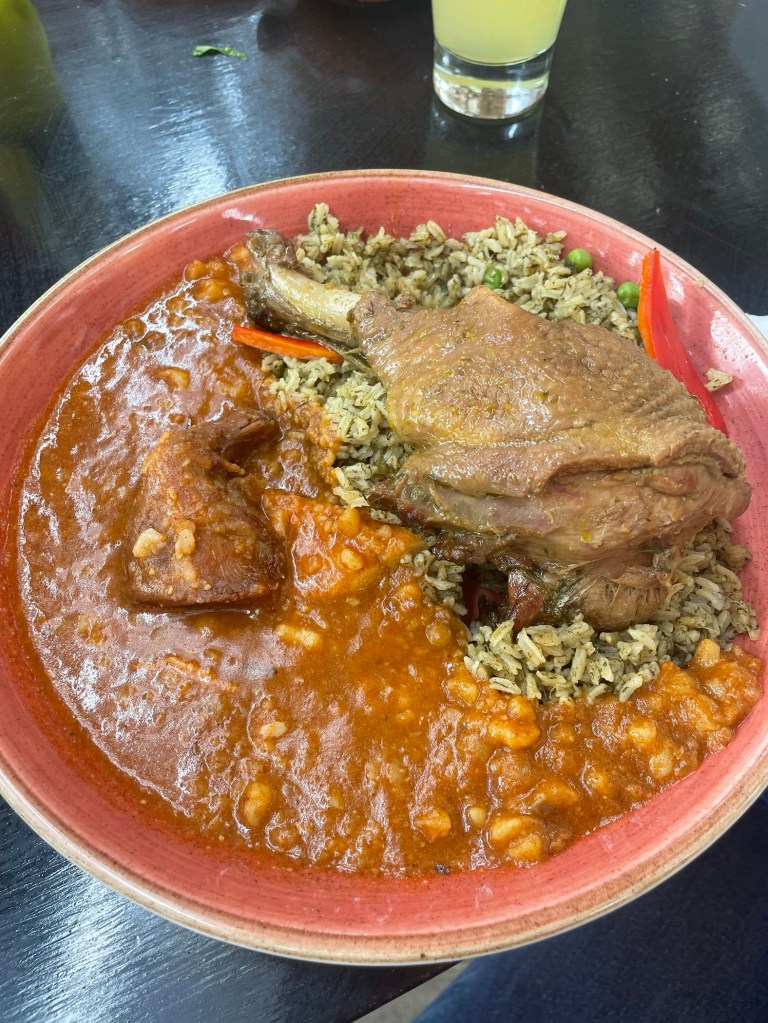
Everything was delicious.
One thing I always love explaining to my kids is that many traditional Peruvian dishes come from necessity, creativity, and survival.
A lot of Afro-Peruvian and criollo foods were created by communities who had limited resources and used inexpensive ingredients or leftover cuts of meat to create flavorful meals.
And honestly? Some of the best food in the world comes from exactly that kind of history.
Sopa seca and carapulcra especially have strong Afro-Peruvian roots from the Chincha and Ica regions.
Peruvian cuisine is deeply tied to migration, slavery, Indigenous cultures, survival, and adaptation…. and you really see that along this coast.
Huacachina: The Desert Oasis That Feels Completely Unreal
Then we arrived at Huacachina.
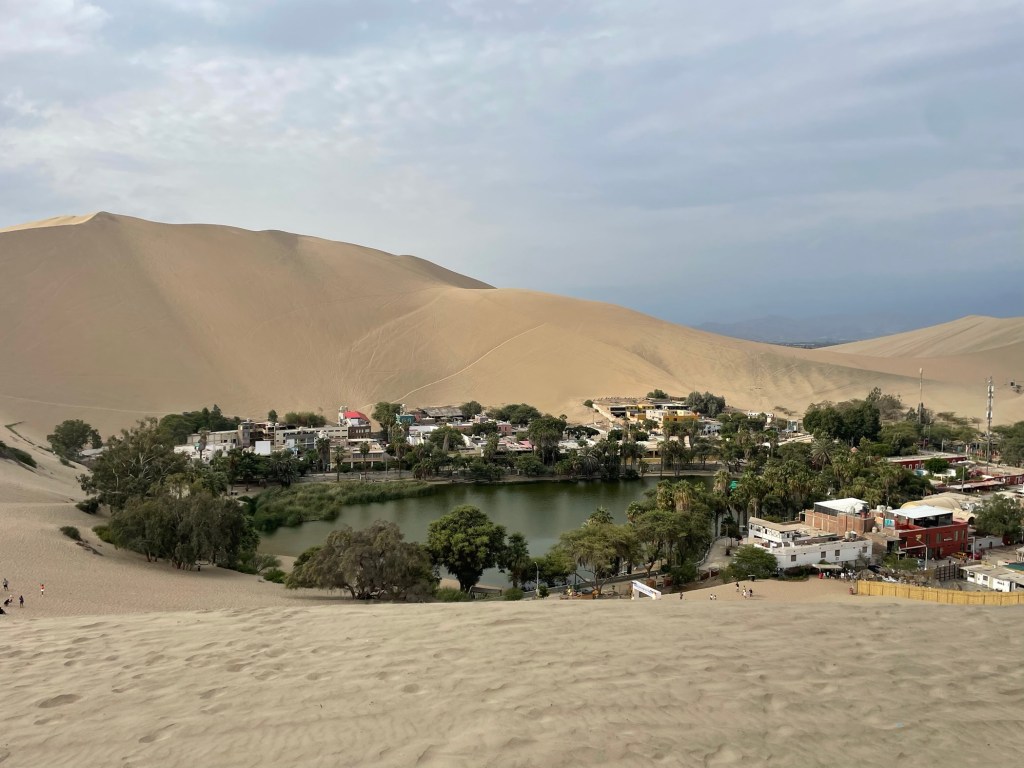
Huacachina is a natural desert oasis surrounded by enormous sand dunes and is considered the only true natural desert oasis in South America.
Right in the middle:
- a lagoon,
- palm trees,
- hotels,
- restaurants,
- little shops,
- and tourists covered in sand, questioning their life choices.
Legend says the lagoon was created by a beautiful princess who transformed into a mermaid while fleeing a hunter, leaving behind the oasis in the middle of the desert. Which honestly sounds exactly like the kind of story that should exist in a place this surreal.
It’s incredibly fun.
Dune Buggies: Parenting with Mild Panic
Now let’s discuss dune buggies.
You can:
- join a large group tour,
- or hire a private buggy like we did.
I highly recommend private if you have younger children.
The group drivers can get VERY enthusiastic.
And by enthusiastic, I mean:
they drive those dunes like they are auditioning for Fast & Furious: Desert Edition.
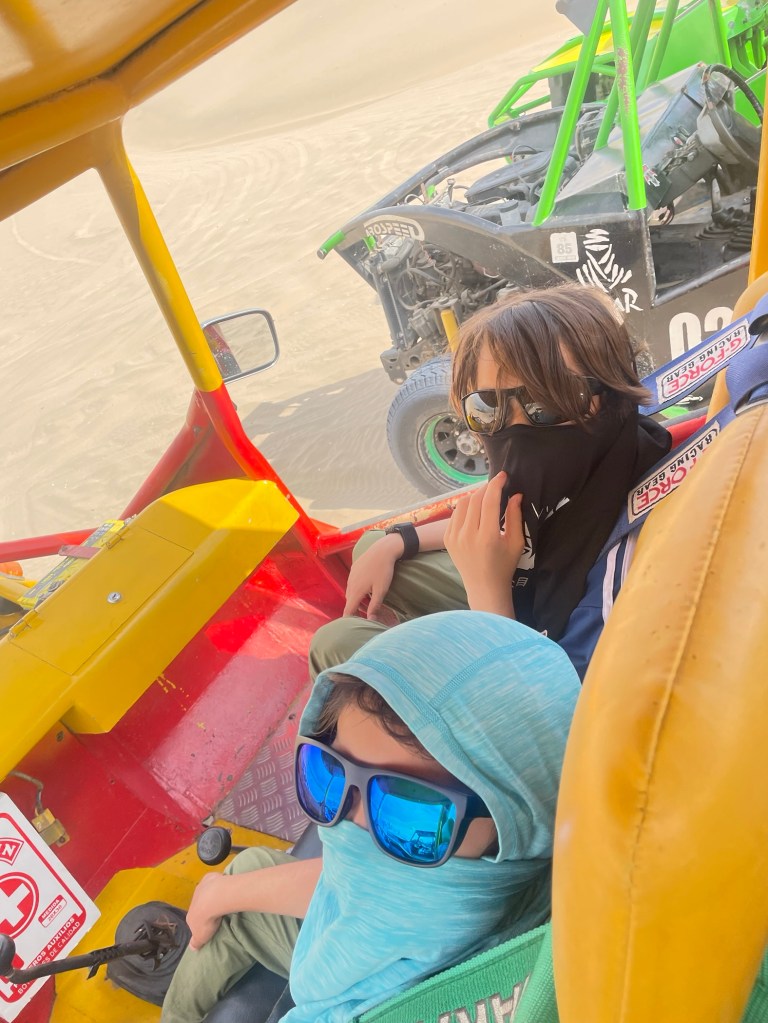
Since we had younger kids, I specifically told our driver:
“Yes, fun. No, please do not launch my child into orbit.”
He was fantastic. I truly recommend Chuty Tours!
We still got:
- exciting dune rides,
- some jumps,
- lots of speed,
- and all the fun without me mentally preparing for an emergency room visit.
Sandboarding: Surprisingly Stressful
The sandboarding was honestly one of the kids’ favorite parts.
The drivers provide the boards and help position everyone.
One VERY important tip:
have an adult go first.
Because once kids start sliding down those dunes… they keep going.
At one point I watched one of my children continue sliding farther and farther away while I questioned every parenting decision that brought us there.
Was it hilarious later?
Yes.
At the moment?
Less yes.
What to Wear for Huacachina
The desert sand gets EVERYWHERE.
Bring:
- sunglasses,
- a secure hat,
- face covering or neck gaiter,
- comfortable clothes,
- shoes you don’t mind filling with sand.
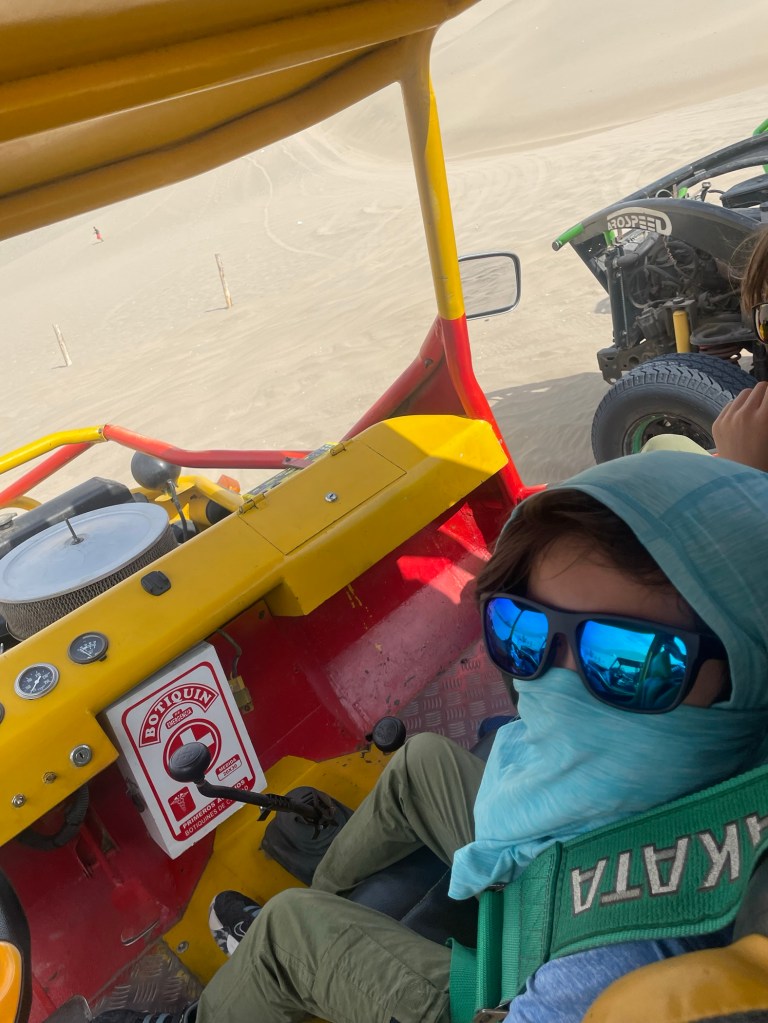
We literally wrapped T-shirts around our faces at one point and looked like very confused desert bandits.
Also:
cover your hair unless you enjoy exfoliating your scalp with half of Peru’s desert.
Overnight in Paracas: Civilization Returns
After Huacachina, we drove to Hotel Paracas, a Luxury Collection Resort.
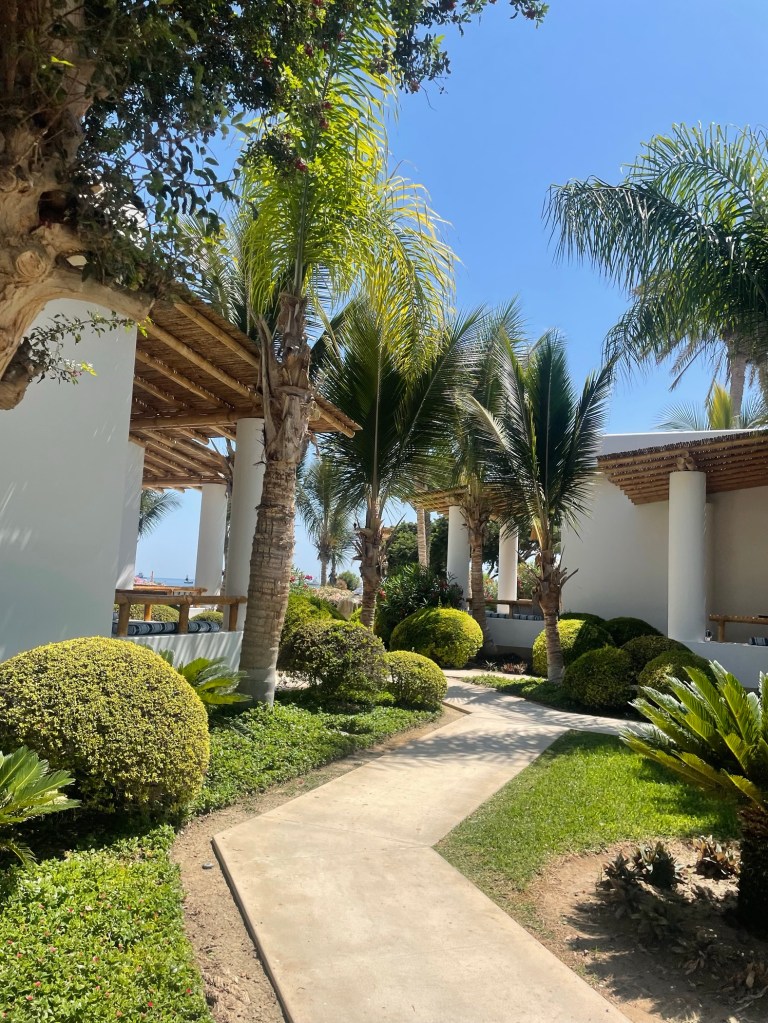
Which felt like arriving at civilization after spending the afternoon being violently shaken around in the desert.
We stayed there because we are a Marriott family:
- points,
- status,
- emotional attachment to hotel upgrades.
The resort was wonderful for families.
They had:
- a beautiful pool,
- kids club,
- video game room,
- excellent breakfast,
- multiple restaurants,
- marina activities,
- and at night the bar area became a little lounge atmosphere.
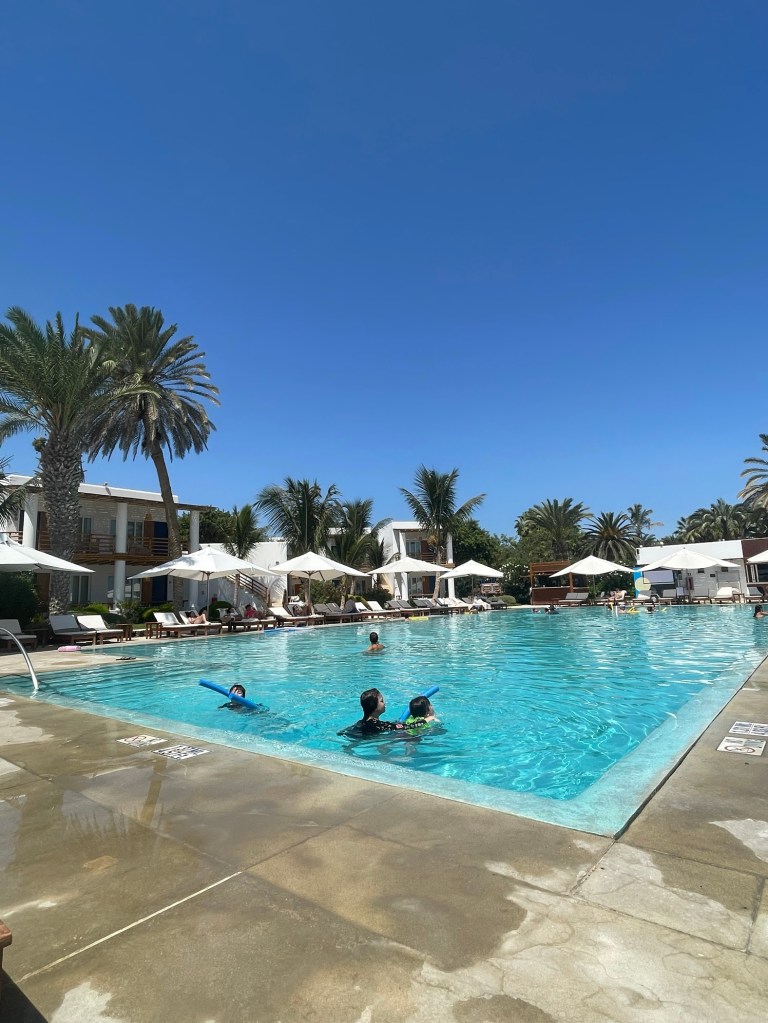
The kids loved it.
Important Beach Reality Check
Paracas is NOT the kind of beach where you picture turquoise Caribbean swimming water.
It’s more:
dramatic desert coastline,
rocky shores,
wind,
boats,
sunsets.
Beautiful? Absolutely.
Swimming beach?
Not really.
But they did offer activities like small catamaran rides, which were included.
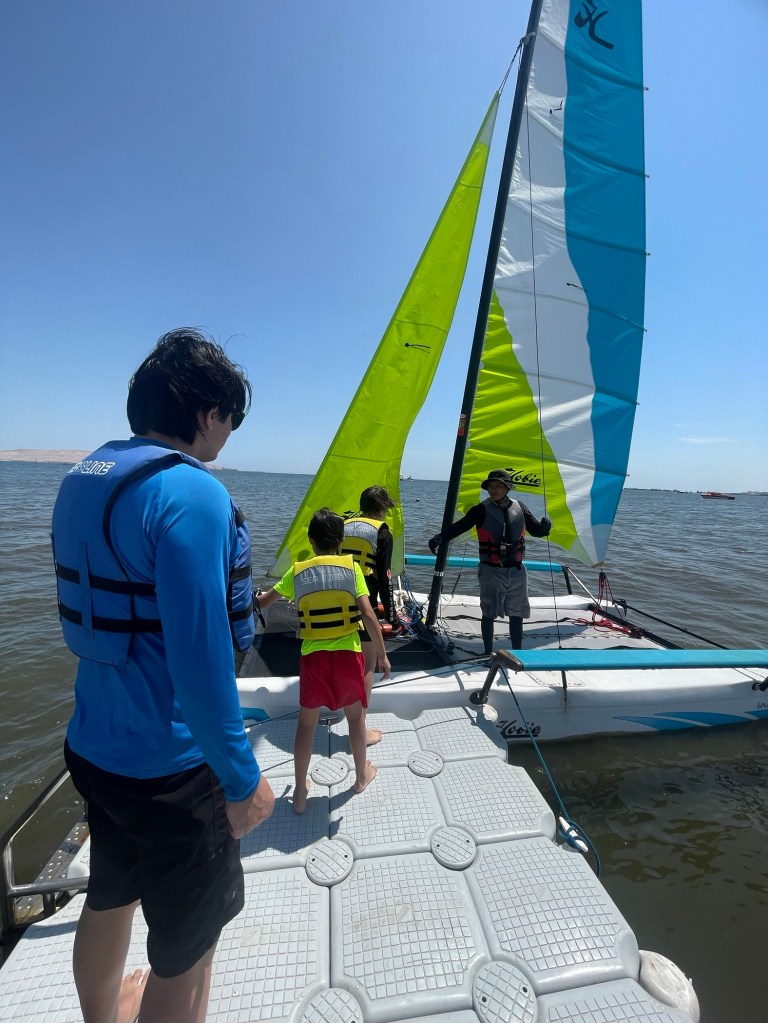
The resort catamaran held about 4–5 people and an employee sailed it for you. It was about a 20-minute ride and really peaceful.
Kids needed to be over eight years old, so younger children may need to stay behind with another adult.
Seafood Dinner with Ocean Views
One of our favorite meals there was at Restaurant Chalana.
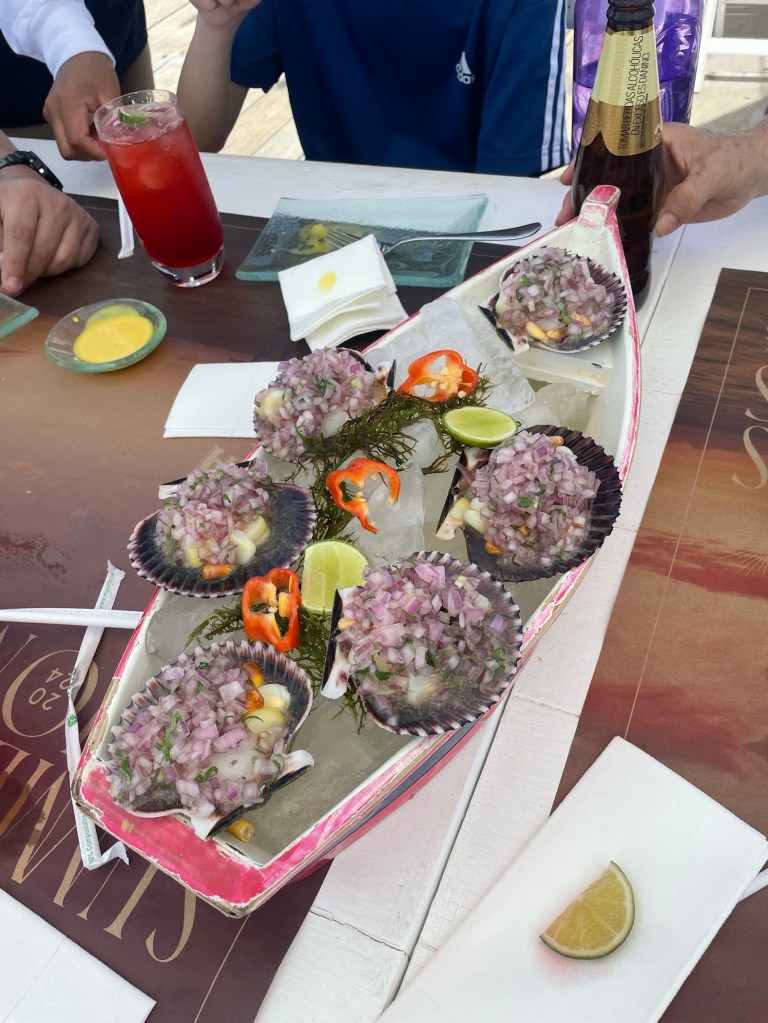
Fresh seafood,
ocean views,
ceviche,
rice dishes,
sunset.
Exactly the kind of meal you want after a day in the desert.
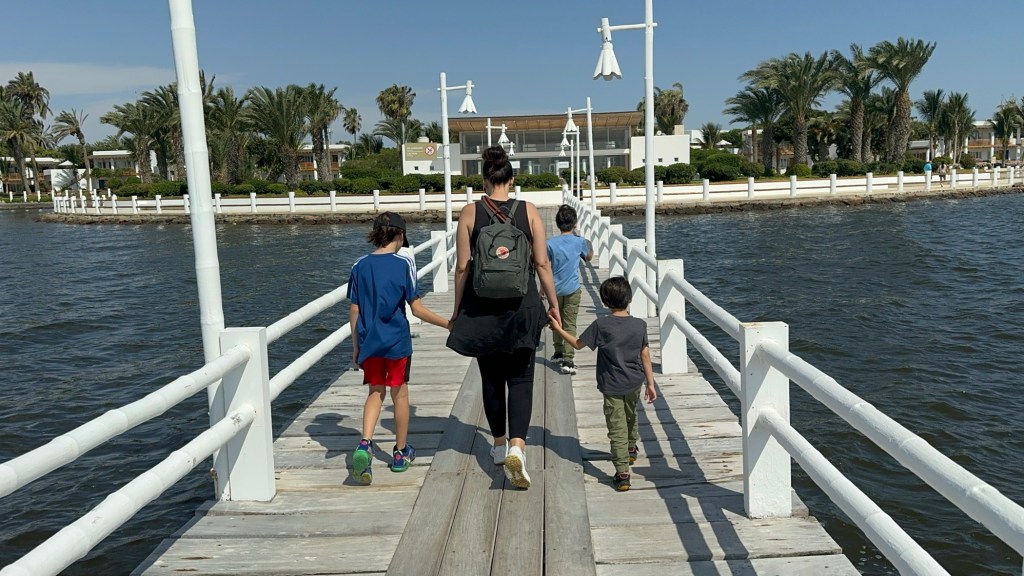
Islas Ballestas: “Mini Galápagos”… Kind Of
The next morning we woke up early for Islas Ballestas.
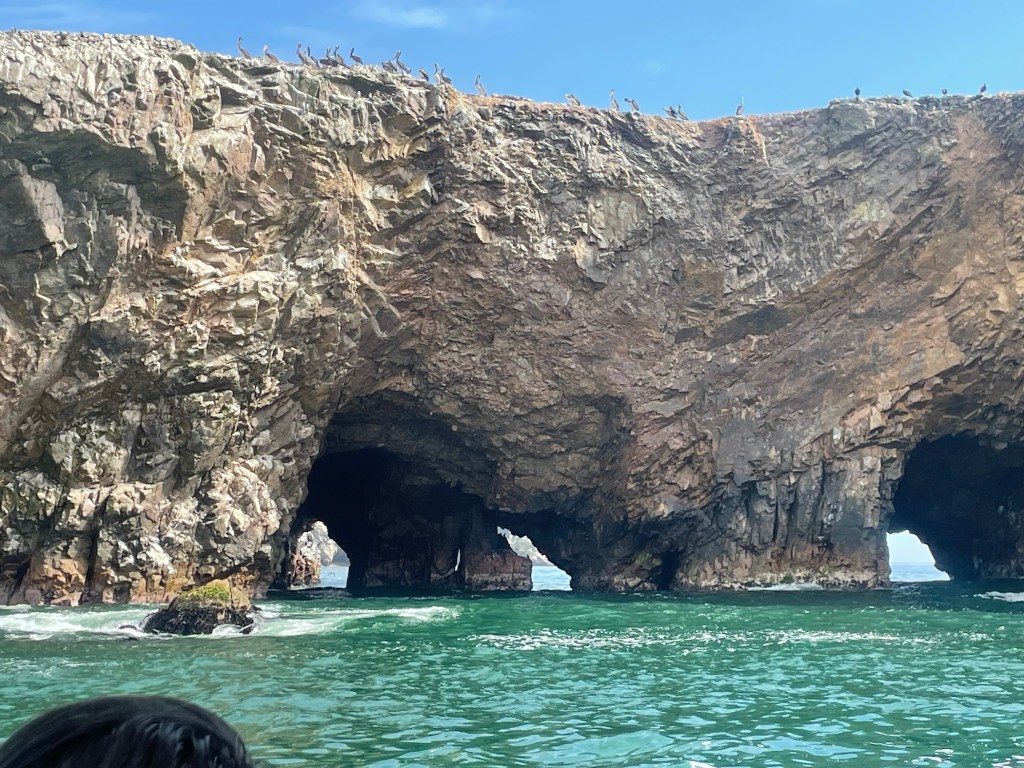
People often call them the “Mini Galápagos.”
Now… having actually been to the Galápagos, I would say: respectfully, manage expectations.
You do not walk on the islands.
You observe everything from the boat.
BUT:
it is still absolutely worth doing.
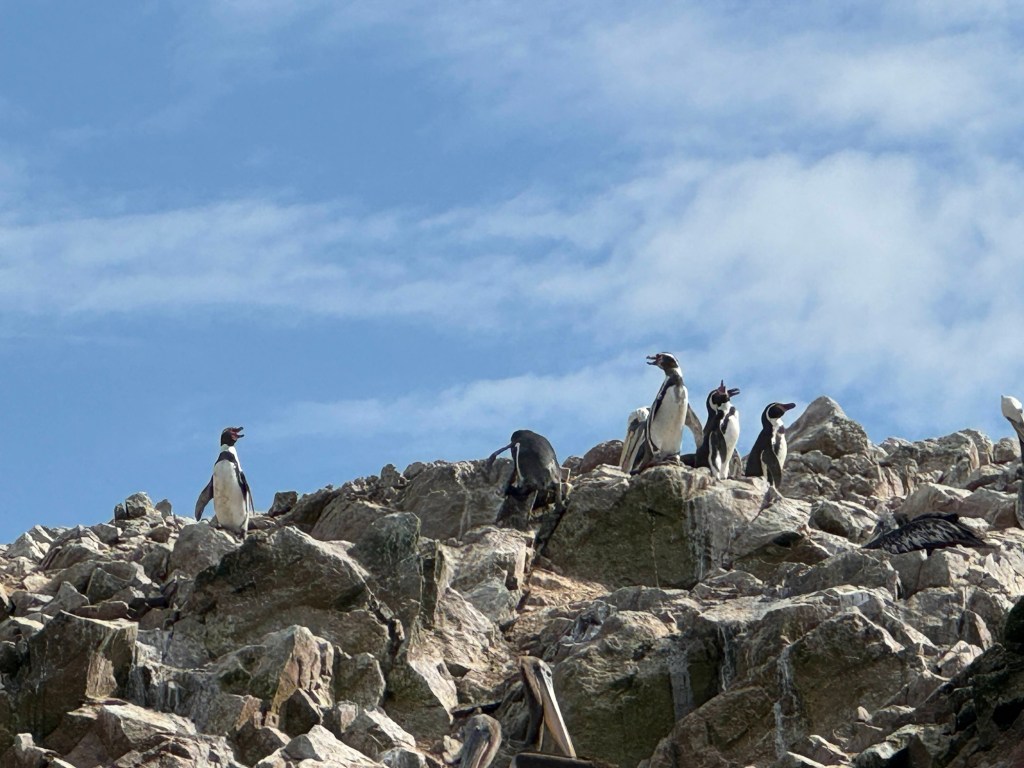
You can see:
- Humboldt penguins,
- sea lions,
- pelicans,
- cormorants,
- and tons of marine wildlife.
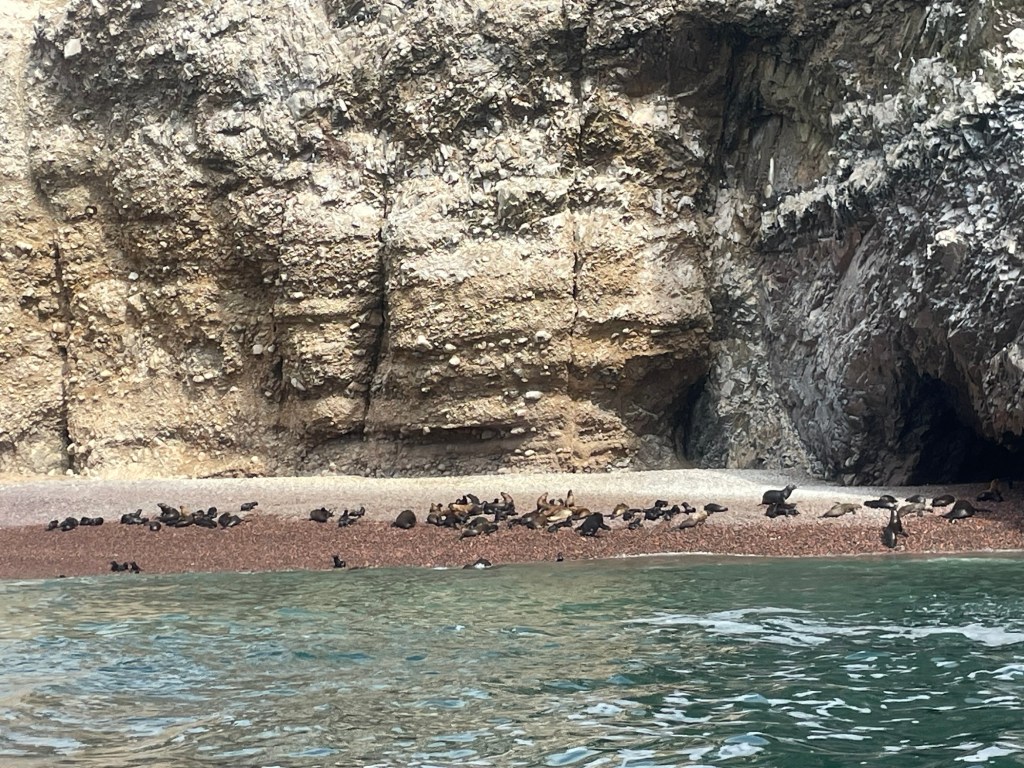
Before reaching the islands, you also pass the famous Candelabra geoglyph carved into the hillside of the Paracas Peninsula.
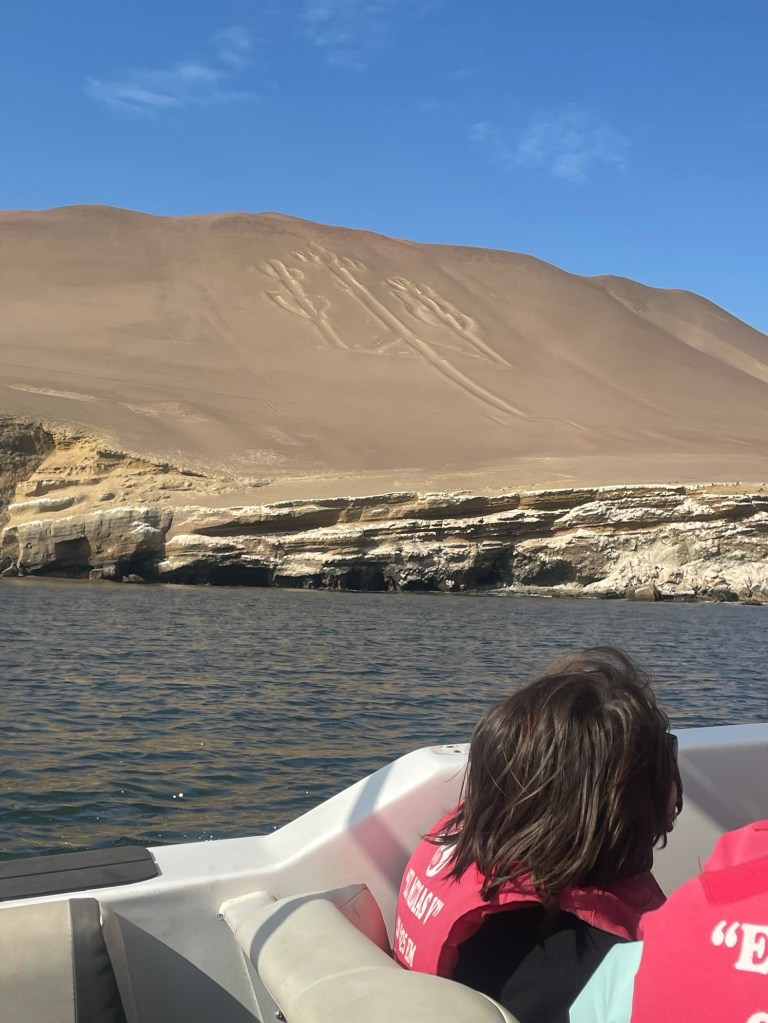
The Candelabra is enormous (over 400 years old) and honestly one of those things that makes you go:
“How is this not talked about more?”
No one knows exactly who made it or why.
Some theories connect it to ancient Paracas cultures, others think it may have been used as a navigational marker for sailors, and naturally there are also the people who immediately jump to:
“Obviously aliens.”
It’s massive and visible from the water, which makes seeing it by boat especially impressive.
The islands themselves are protected rock formations covered in birds and sea life, historically important for guano production, which was once one of Peru’s biggest economic resources.
The boat ride is windy and fast.
Bring:
- jackets,
- sunglasses,
- hats that won’t fly away,
- sunscreen.
And if traveling with younger kids:
bring binoculars.
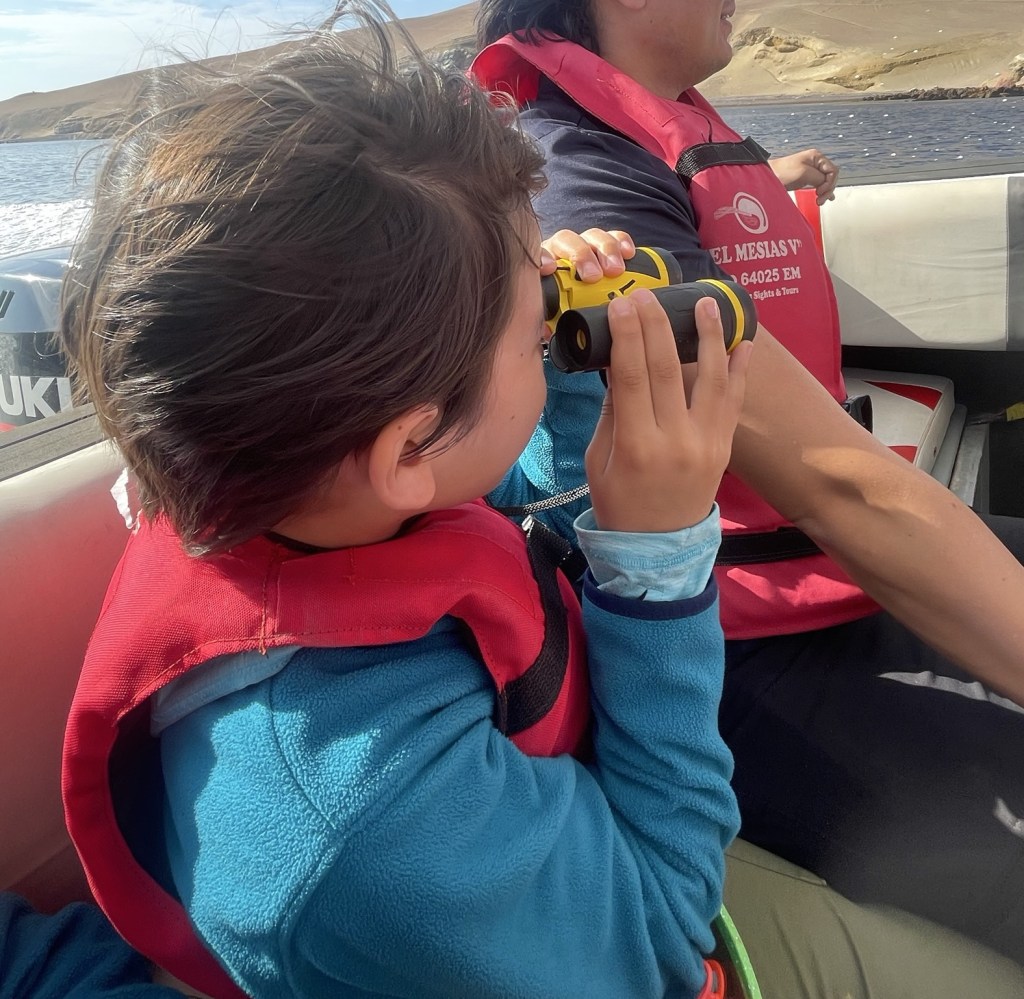
The binoculars made a HUGE difference for our boys.
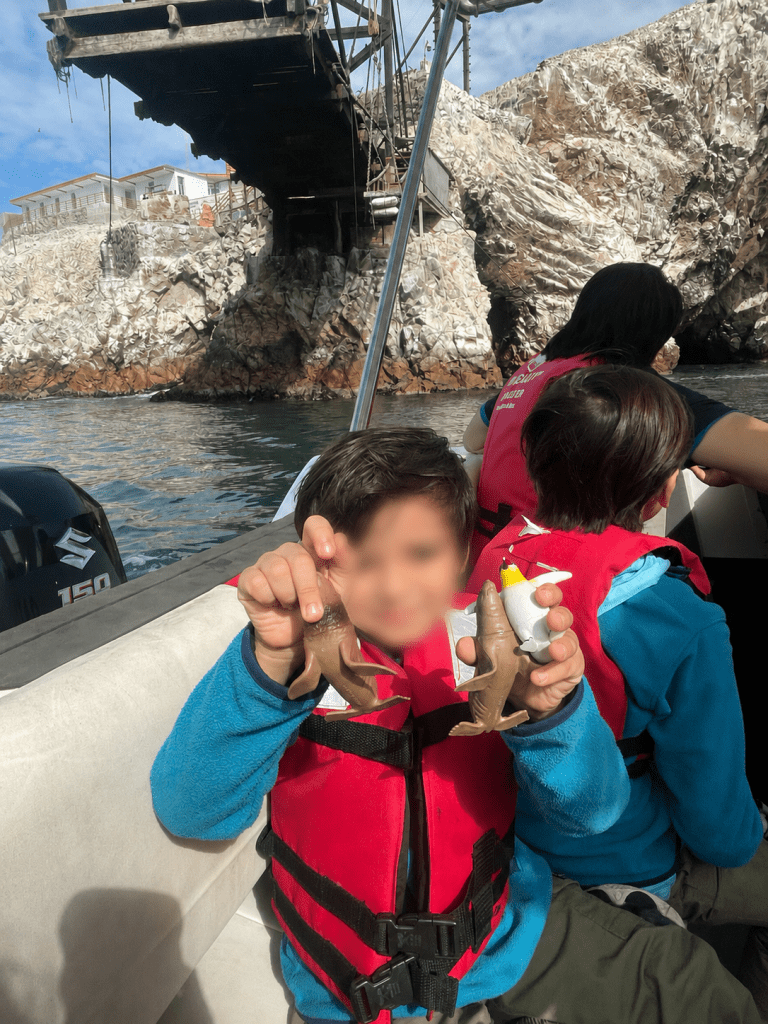
I also brought small animal figurines so my youngest could compare them to the real animals we were seeing, which honestly worked really well.
Museo de Sitio Julio C. Tello: Surprisingly Interesting for Kids
Later we visited Museo de Sitio Julio C. Tello.
And honestly? It was really well done.
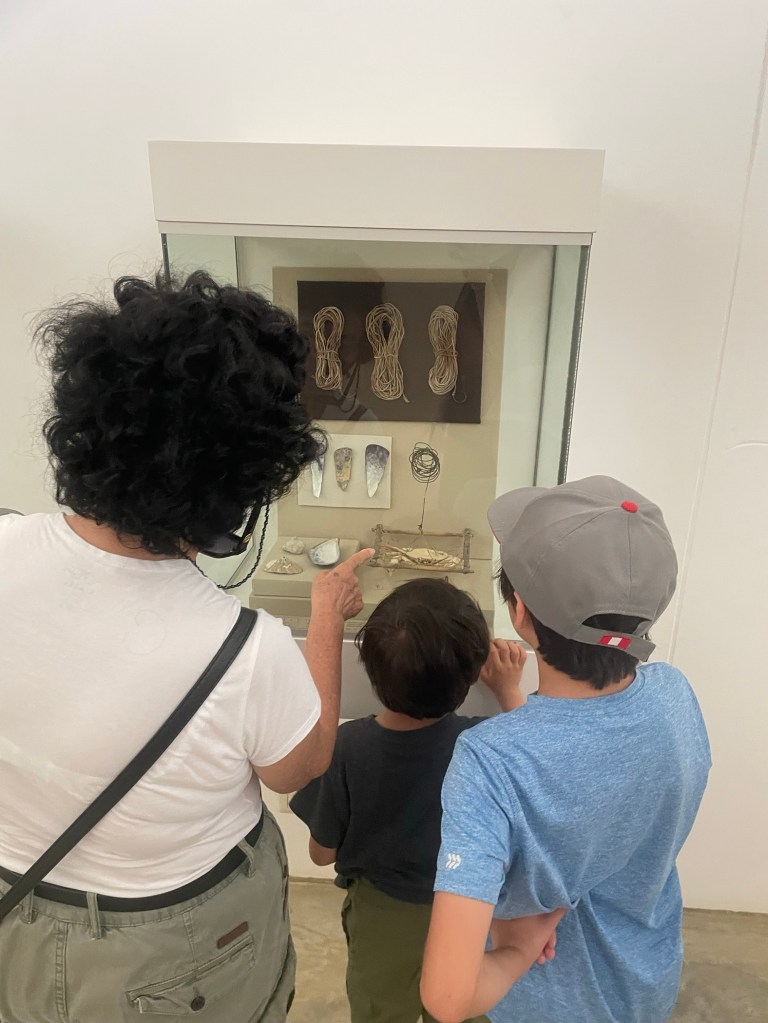
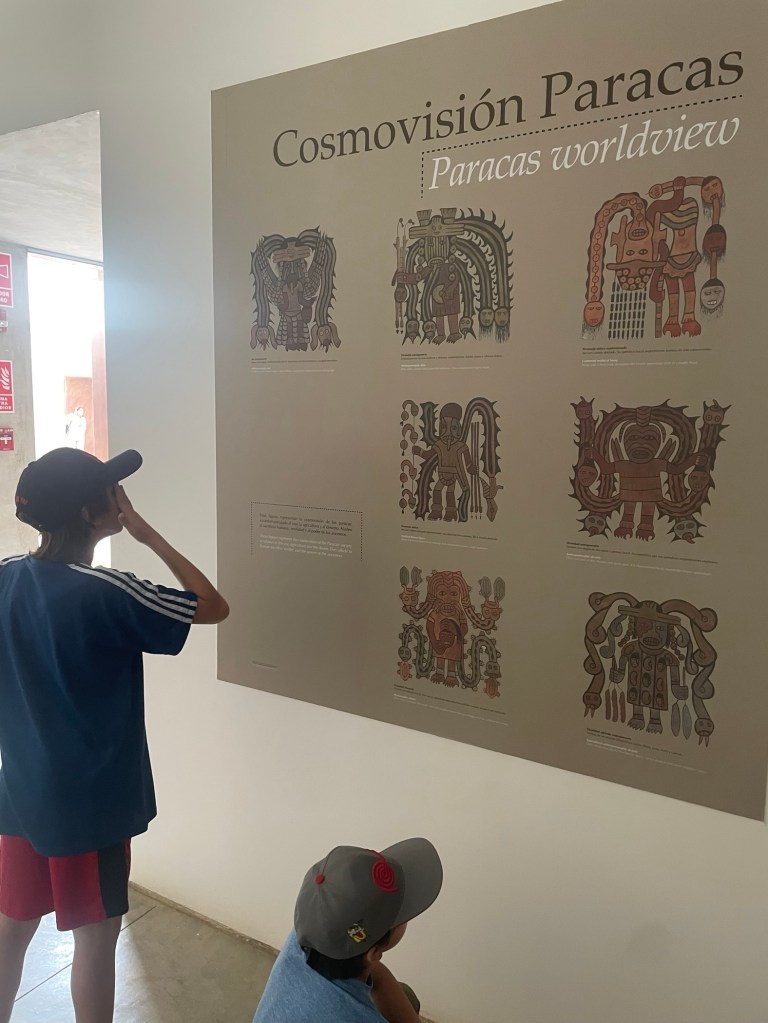
The museum explains the history of the Paracas culture, one of Peru’s important pre-Columbian civilizations known for:
- advanced textiles,
- fishing culture,
- desert adaptation,
- and elaborate burial traditions.
The Paracas people are especially famous for their incredibly intricate woven textiles, many of which survived because of the dry desert climate.
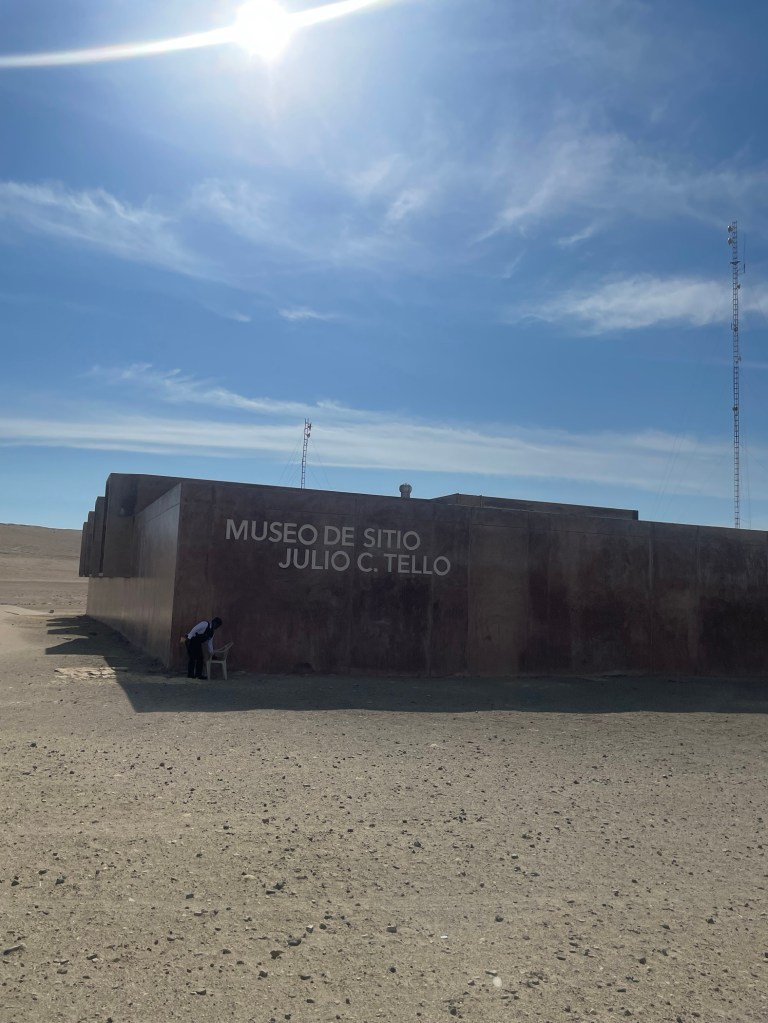
The museum also helps explain how civilizations survived in this extremely harsh coastal desert environment thousands of years ago.
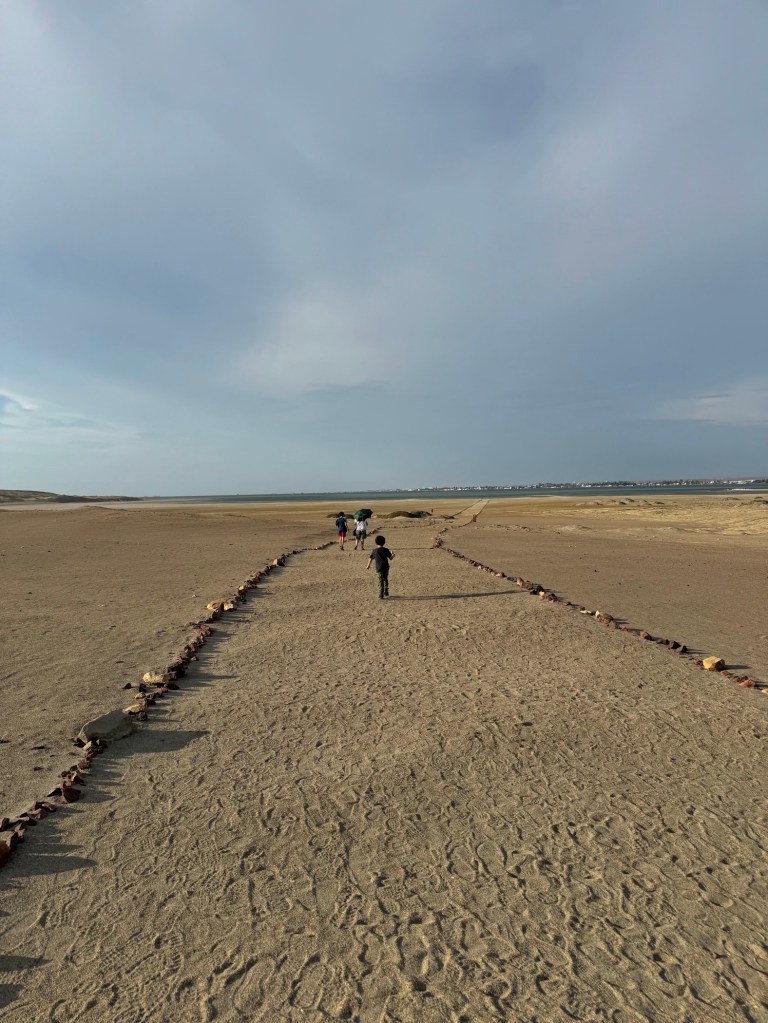
Outside the museum area you can walk through the desert landscape and sometimes see wild flamingos in the wetlands nearby.
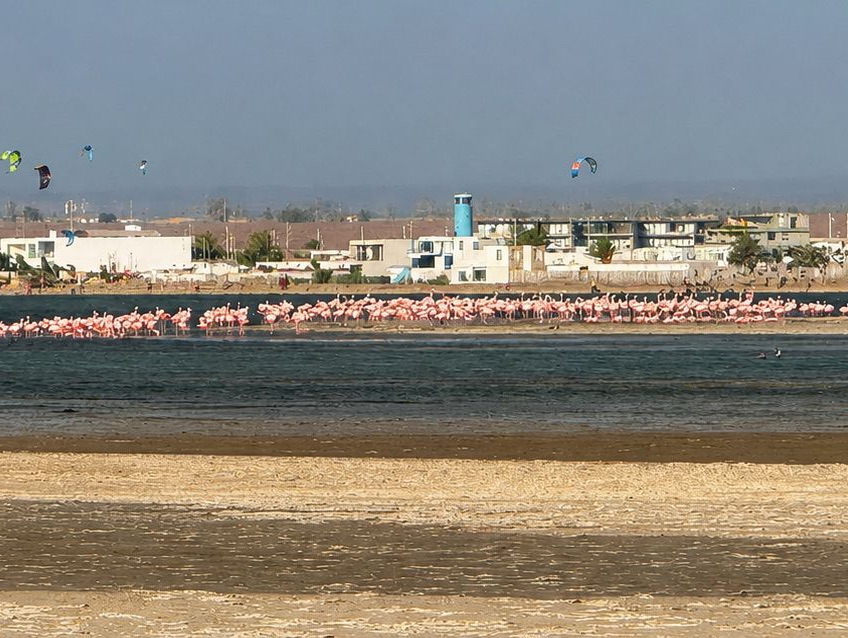
It’s beautiful but very exposed and dry, so:
- wear comfortable shoes,
- bring water,
- bring hats.
Final Important Driving Tip: Avoid Driving Back to Lima at Night
This is honestly my biggest practical recommendation.
Do not drive back to Lima late at night if you can avoid it.
The roads themselves are mostly fine.
The issue is:
- very dark stretches,
- limited lighting,
- and some older vehicles driving without proper headlights.
There were moments where visibility became difficult because some vehicles barely had working lights.
If we did this trip again, we would absolutely leave earlier and make sure we returned to Lima before sunset.
Much safer.
Much less stressful.
Much fewer opportunities for accidental family trauma.
What I’d Pack for This Trip
For Huacachina
- Sunglasses
- Neck gaiter or face covering
- Hat with strap
- Comfortable clothes
- Extra shirt
- Closed-toe shoes
- Wet wipes for sand everywhere
For Islas Ballestas
- Windbreaker
- Fleece layer
- Sunscreen
- Binoculars
- Hat
- Sunglasses
For Kids
- Snacks
- Water
- Small toys or animal figurines
- Motion sickness medicine if needed
- Tablet for the drive
- Patience (for everyone)
Final Thoughts
This trip was honestly one of the best combinations of:
- adventure,
- culture,
- food,
- history,
- and family fun we’ve done in Peru.
You go from:
desert dunes,
to pisco vineyards,
to Afro-Peruvian cuisine,
to penguins,
to archaeology museums,
to luxury resorts,
all within a couple of days.
And somehow your children still mostly remember:
“Remember when we flew down the sand dunes?”
Which, honestly, is exactly how it should be.


Leave a Reply